Compassionate care, expert treatments, and a smile you can be proud of — your family deserves the best!
[Book your appointment today and see why families trust us with their smiles!]
Dental Care for Your Family’s Needs
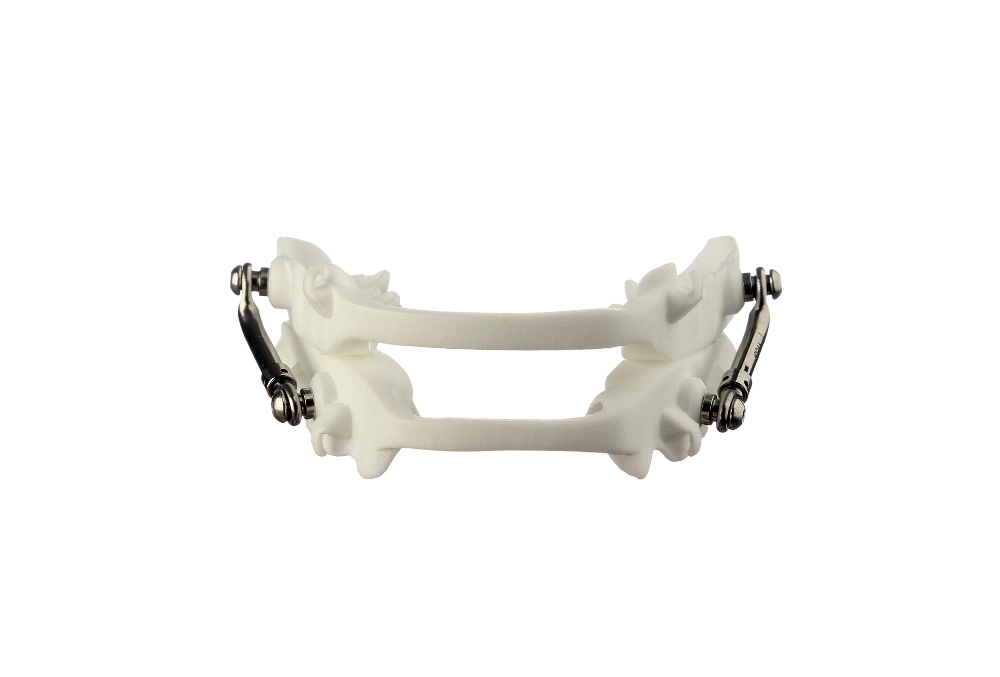
Sleep Apnea Solutions
Tired of sleepless nights? Sleep apnea doesn’t just disrupt your rest — it can affect your health too. At Dental Care 4U, we offer treatments designed to help you breathe better and sleep soundly again.
[Find Out More About Sleep Apnea Solutions]
General Dentistry
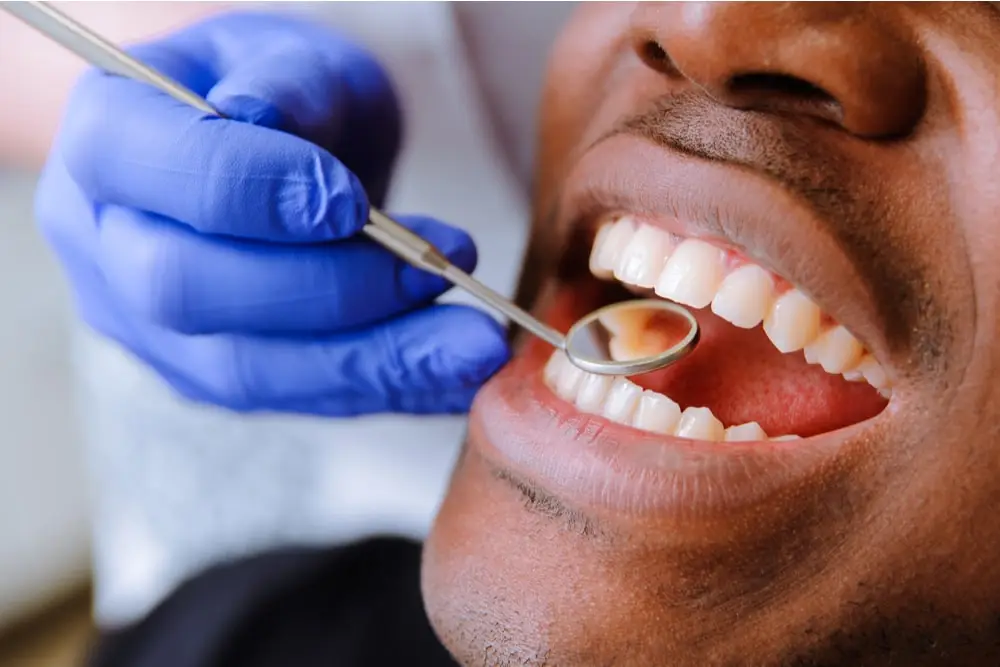
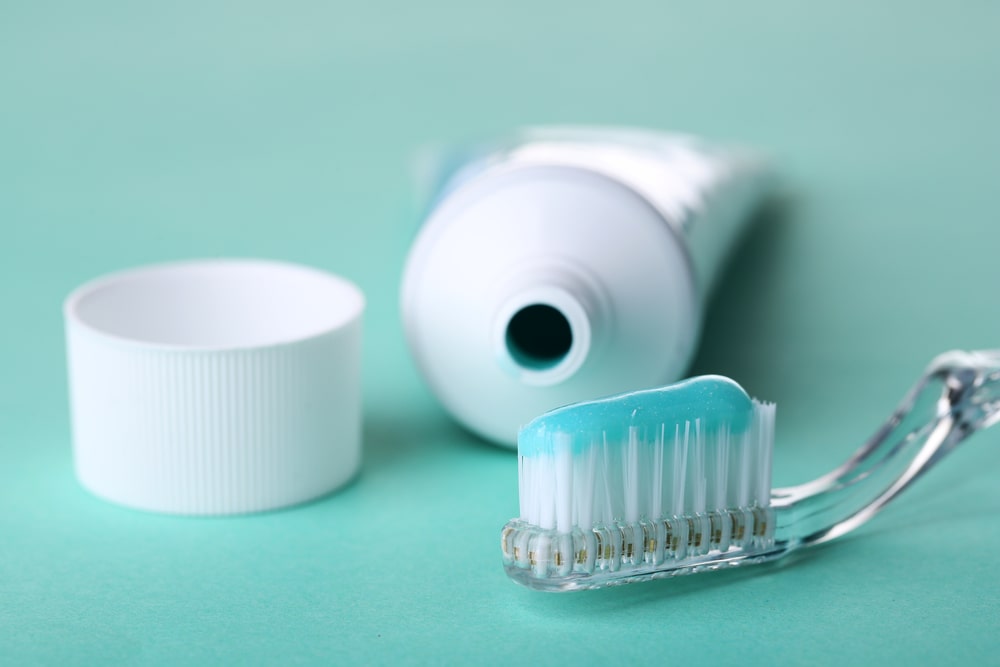
From routine cleaning to treating cavities, we’ve got your everyday dental needs covered. Our general dentistry services focus on keeping your mouth healthy with regular dental check-ups and expert guidance, so you can smile with confidence.
[Explore General Dentistry Services]
Invisalign® Clear Aligners
Looking to straighten your teeth without the hassle of braces? Invisalign® aligners are comfortable, nearly invisible, and designed to fit your busy lifestyle. Get the smile you’ve always wanted — without the metal.
[Learn About Invisalign]
Cosmetic Dentistry
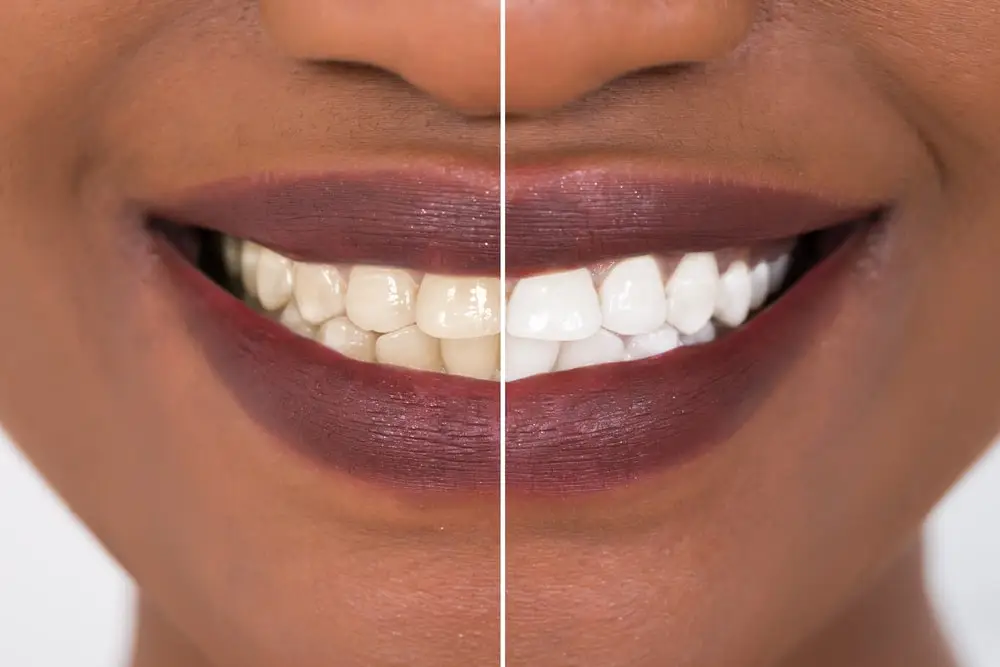
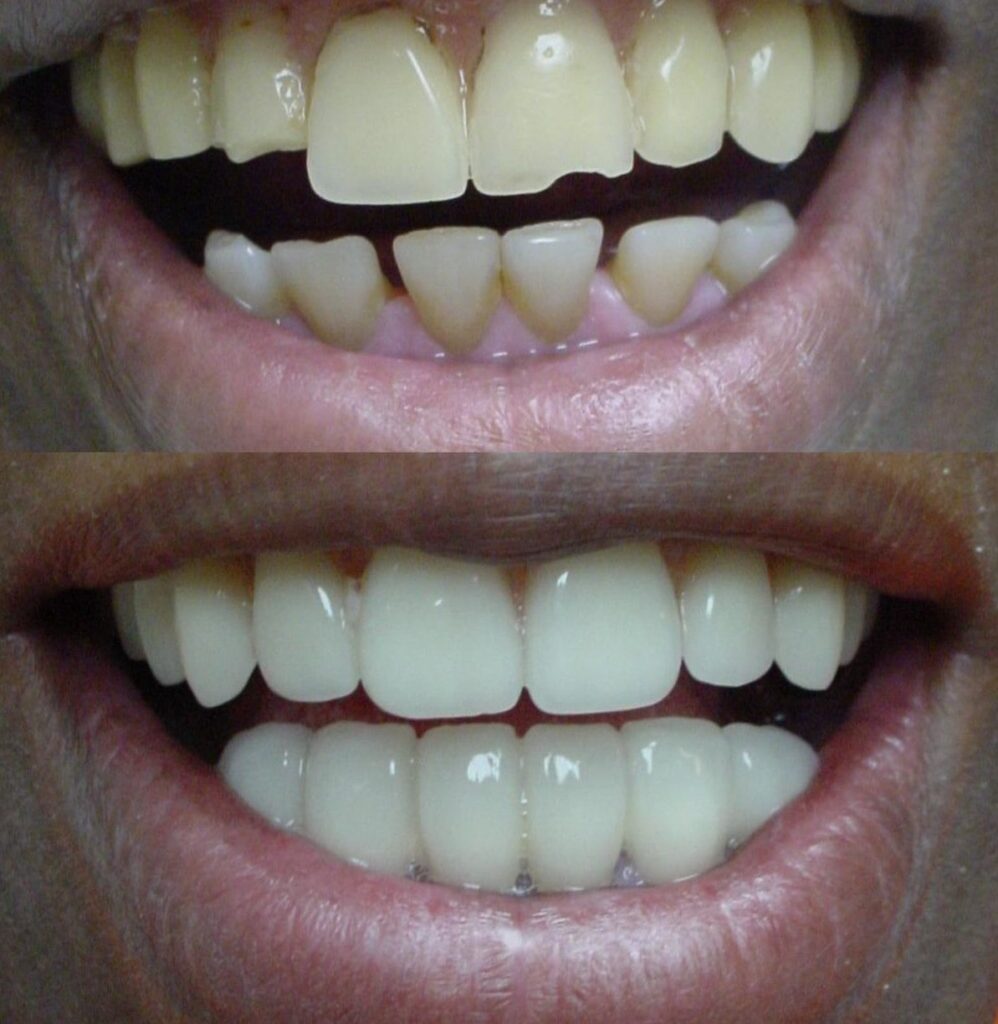
Your smile is one of the first things people notice. With our cosmetic dentistry options, from teeth whitening to veneers, we can help you create a smile that boosts your confidence and makes a lasting impression.
[Discover Cosmetic Dentistry Options]
What Makes Dental Care 4U Different?
Experienced and Compassionate Care
With decades of combined experience, our team treats every patient like family. We pride ourselves on delivering the same level of care we would want for our own loved ones.
Advanced Treatments Under One Roof in South Holland
From general check-ups to specialized procedures like root canals and Invisalign, you can get all your dental needs met in one place, saving you time and stress.
Cutting-Edge Technology for Optimal Results
At Dental Care 4U, we use the latest in dental technology to ensure top-notch care. Whether it’s digital X-rays or modern treatment methods, we’re equipped to deliver the highest standard of dental health.
Flexible Payment Options and Insurance Coverage
Worried about the cost? We’re in-network with all major PPO insurance providers and offer flexible payment plans to make sure you get the care you need without stress.
Our Commitment to Personalized Care at the Dentist in South Holland
At Dental Care 4U, we believe in treating every patient like a family. Our experienced team focuses on providing personalized care for each and every smile. Whether it’s your child’s first dental check-up or a specialized treatment, we’re dedicated to creating a comfortable experience built on trust, respect, and compassion.
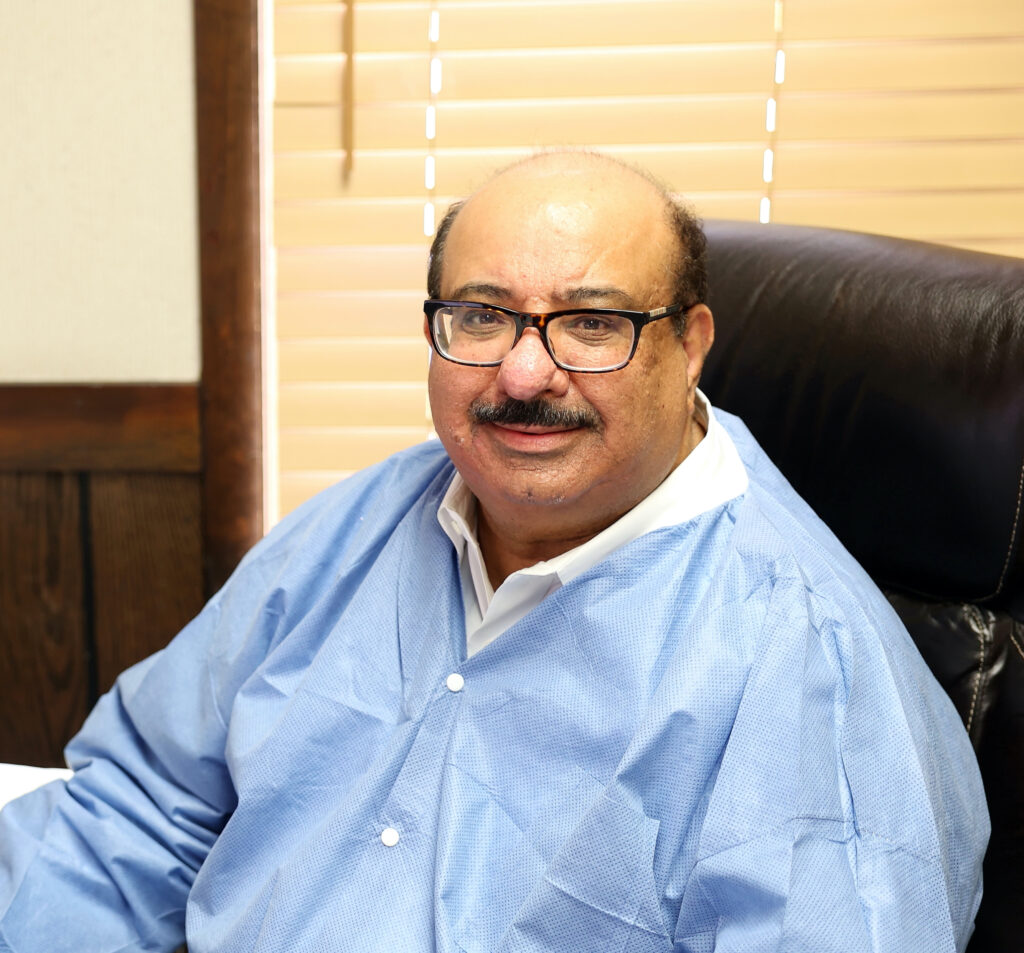
Meet Dr. Raj Khanna and our Caring Team
With decades of combined experience, Dr. Raj Khanna and our skilled staff are passionate about providing top-notch dental care. We’re proud to serve the South Holland community and help our patients achieve healthy, beautiful smiles.
Want to learn more about our team and services?
[Meet Our Team and Learn More About Our Dental Care].
Take the First Step Toward a Healthier, Brighter Smile
Your family deserves expert dental care in a friendly, welcoming environment. Get started on your path to better oral health today.
[Book Your Appointment Now]